

Every January, garden lovers look through seed catalogs and dream of extending their growing season. Several contemplate putting a glass or wooden design to protect sensitive crops from volatile weather. A common issue arises before making this expense: growing your own in a greenhouse? As the reasoning of growing your own generate seems financially sound, the underlying math shows a much more complex reality. Let's examine the statistics and setup costs to find out if this backyard investment really makes economic sense.
.jpg?quality=75&width=1250&crop=3%3A2%2Csmart&trim=0%2C147%2C0%2C145&auto=webp)
What is the true initial cost?
The label price of the design only presents a percentage of your whole outlay. Retail data show that the creating itself accounts for only 60 to 70 per cent of the full total investment. A typical metal design typically costs between £600 and £1,200. Nevertheless, bottom preparation, supply, components, and installation add still another 30 to 50 per cent to your original budget.
Base Installation: A concrete or slab foundation expenses £200 to £600 for a DIY strategy, jumping to £400 to £900 for a qualified contractor.
Central Staging: Crucial shelf gives £80 to £200.
Ventilation: Intelligent vent openers run £25 to £40 each.
When factoring in these hidden costs, a reasonable first-year total for a mid-range startup reaches £1,200 to £2,000. Premium bespoke wooden structures simply exceed £15,000.
What are the ongoing maintenance expenses?
When the design is made, recurring expenses impact your possible reunite on investment. Effective growers invest money annually to steadfastly keep up production levels.
Vegetables and Crops: Budget £50 to £150 annually.
Soil and Fertilizer: Compost and feeds include £60 to £120.
Containers and Containers: Alternative pots charge £30 to £50.
Heat: Cold weather ice protection expenses between £80 and £250 per year, seriously determined by your local energy rates.
How much money can you save on groceries?
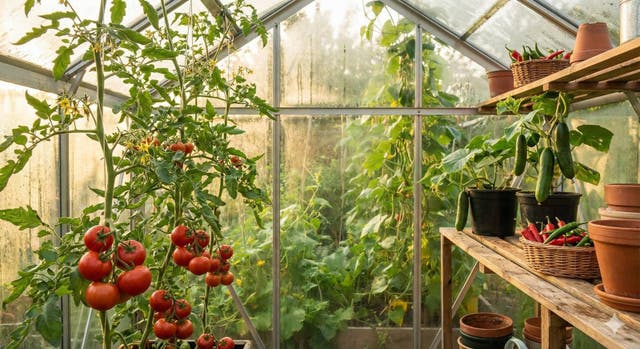
High-value crops give the very best economic return. Tomatoes, cucumbers, peppers, and chilies battle to ripen outside but flourish below glass. Mathematical yields display a massive big difference: tomatoes grown inside provide 8 to 12 kilograms per plant, in comparison to only 3 to 5 kilograms outdoors.
By consistently growing high-yield crops, owners offset a significant section of the food bill. First-time users generally see modest savings while they learn the ropes. By the third period, experienced growers improve their produces and produce significant grocery reductions.
What is the realistic payback period?
When evaluating average setup fees along with consistent agricultural productivity, structures may counteract their initial investment within five to seven years. That schedule decreases for homeowners who prioritize high-value crops and manage their heat expenses carefully. However, the payback time stretches in the event that you focus on crops which are previously cheap at the store or in the event that you temperature the room excessively.
Longevity also factors to the calculation. Budget metal models may need substitute after 10 to 15 years. A well-maintained forest framework may last 30 to 40 decades, significantly increasing the long-term economic value.
Weighing the Final Numbers
If you view this obtain strictly through a economic lens, the strict computation may decrease some buyers. However, spreadsheets cannot gauge the remarkable taste of a vine-ripened tomato or the personal satisfaction of harvesting your own food. By understanding the transparent costs and concentrating on high-value crops, you can make a calculated choice that advantages equally your budget and your home.